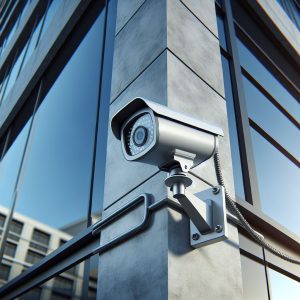
Weatherproof Security Camera NZ: Surviving Salt, Rain, and UV on the Coast
New Zealand’s coastal environment is spectacular but brutal on electronic equipment. The combination of salt-laden air, driving horizontal rain, intense UV radiation, and temperature swings that can span 20 degrees in a single day creates conditions that destroy ordinary security cameras within months. If you live anywhere near the coast, and in a country where no point is more than 130 kilometres from the sea, that covers most of New Zealand, choosing a genuinely weatherproof security camera is not optional. It is the difference between a reliable security system and an expensive collection of corroded, clouded, and failed equipment.
Not all “outdoor rated” cameras are created equal. Understanding IP ratings, material construction, and NZ-specific environmental challenges will help you select cameras that deliver years of reliable service rather than a frustrating cycle of premature failures and replacements.
Understanding IP Ratings for NZ Conditions
The Ingress Protection (IP) rating system defines how well an enclosure protects its contents against solid particles and water. For security cameras in New Zealand, the IP rating is the first specification to check:
- IP65 — Protected against low-pressure water jets from any direction. Adequate for cameras under eaves or in sheltered positions, but not recommended for fully exposed coastal installations.
- IP66 — Protected against high-pressure water jets from any direction. The minimum recommended rating for exposed outdoor cameras in New Zealand. Handles heavy rain and wind-driven spray.
- IP67 — Protected against temporary immersion in water up to 1 metre depth. Provides excellent protection for cameras in exposed positions where water can pool around the mount or housing.
- IP68 — Protected against continuous immersion. Rarely needed for standard security camera installations but available on some specialist models.
However, an IP rating only tells part of the story. IP testing is conducted with fresh water in controlled laboratory conditions. It does not account for salt spray, UV degradation, or the cumulative effects of years of exposure to harsh environments. A camera with an IP66 rating will keep water out, but that does not mean its housing will not corrode, its lens will not cloud, or its mounting hardware will not seize up after a few years in coastal air.
The Salt Spray Challenge
Salt spray is the silent killer of coastal security cameras. The microscopic salt crystals carried in sea breeze penetrate every gap, settle on every surface, and accelerate corrosion of any exposed metal. Even stainless steel can corrode in severe coastal environments if it is not marine-grade (316 stainless).
The effects of salt spray on security cameras include:
- Housing corrosion — Aluminium housings develop white oxide deposits. Steel screws and brackets rust and seize. Painted surfaces blister and flake.
- Lens degradation — Salt deposits on lens covers create a hazy film that progressively degrades image quality. If not cleaned regularly, salt crystals can etch the lens cover surface permanently.
- Connector corrosion — Ethernet ports, power connectors, and cable glands corrode, causing intermittent connections and eventual failure.
- Seal deterioration — Rubber seals and gaskets degrade faster in salt-laden environments, eventually compromising the IP-rated enclosure.
The distance from the coast matters enormously. Properties within 500 metres of the shoreline experience salt spray concentrations many times higher than those just two or three kilometres inland. Camera selection and maintenance schedules should reflect this proximity.
UV Resistance: The Overlooked Factor
New Zealand sits beneath some of the thinnest ozone layer in the developed world, resulting in UV radiation levels 40 percent higher than equivalent latitudes in the Northern Hemisphere. This extreme UV exposure affects security cameras in several ways:
Housing discolouration. White camera housings turn yellow. Dark housings fade and become chalky. While primarily cosmetic, severe UV degradation can also weaken the plastic housing material.
Plastic embrittlement. Polycarbonate and ABS plastics used in camera housings become brittle after prolonged UV exposure, eventually cracking and losing their weatherproof integrity.
Cable jacket degradation. Network cables and power cables with non-UV-stabilised jackets deteriorate rapidly when exposed to direct sunlight. The outer jacket cracks, allowing moisture ingress that damages the conductors inside.
When selecting cameras for UV-exposed positions, look for housings made from UV-stabilised materials. Metal housings (aluminium or stainless steel) are inherently more UV-resistant than plastic. For cable runs, use UV-rated outdoor cable or protect cables within UV-resistant conduit.
Recommended Camera Features for NZ Coastal Installations
Based on the specific challenges of New Zealand’s coastal climate, prioritise these features when selecting outdoor cameras:
- IP66 or IP67 rating minimum — Do not compromise on this specification for any camera in an exposed position.
- Metal construction — Aluminium or stainless steel housings outperform plastic in salt spray and UV environments. If budget allows, marine-grade 316 stainless steel is ideal for severe coastal locations.
- Hydrophobic lens coating — Some camera manufacturers apply water-repellent coatings to lens covers that shed rain and resist salt deposit adhesion, keeping images clearer between maintenance visits.
- Sealed cable connections — Cameras with factory-sealed cable connections or IP-rated cable glands prevent moisture and salt from entering through the cable entry point, which is often the most vulnerable part of the installation.
- Wide operating temperature range — New Zealand cameras should operate across at least -20 to +60 degrees Celsius to handle winter frosts and summer heat buildup in sun-facing positions.
- Anti-fog or internal heating — Cameras with internal heaters or anti-condensation features prevent lens fogging during rapid temperature changes, common during coastal weather shifts.
Mounting and Installation for Coastal Longevity
Even the most weatherproof camera will fail prematurely if installed incorrectly in a coastal environment. Follow these installation practices:
Mount Under Shelter Where Possible
Positioning cameras under eaves, soffits, or purpose-built weather shields dramatically reduces direct exposure to rain and salt spray. Even a small overhang can extend camera life by years in coastal locations.
Use Marine-Grade Mounting Hardware
Standard steel screws and wall plugs will corrode within months in coastal air. Use 316 stainless steel screws and nylon wall plugs. Apply anti-seize compound to threaded connections to prevent them from corroding together.
Seal All Cable Penetrations
Where cables enter the building or a junction box, seal the penetration with marine-grade silicone or butyl rubber tape. Unsealed cable entries allow moisture and salt to travel along the cable and into the building, causing corrosion damage far from the camera itself.
Angle Cameras to Shed Water
Mount cameras with a slight downward tilt to encourage water to run off the housing and lens cover rather than pooling. Avoid mounting positions where the camera sits in a natural water collection point.
Maintenance Schedule for Coastal Cameras
Coastal security cameras require more frequent maintenance than inland installations. A recommended maintenance schedule includes:
- Monthly — Clean lens covers with fresh water and a soft cloth to remove salt deposits before they etch the surface.
- Quarterly — Inspect housing, mounting hardware, and cable connections for signs of corrosion. Check cable glands and seals for integrity.
- Annually — Apply corrosion inhibitor spray to exposed metal surfaces. Check and retension any mounting hardware. Test IP integrity by checking for internal moisture or condensation.
- Every 3-5 years — Replace cable glands, seals, and gaskets proactively. These rubber components degrade over time in coastal environments and should be replaced before they fail.
Investing for the Long Term
The cheapest outdoor camera at the electronics store might seem like good value, but if it needs replacing every 18 months because the housing has corroded and the lens has clouded over, the total cost quickly exceeds what a quality weatherproof camera would have cost upfront. For New Zealand’s coastal properties, investing in properly rated, well-constructed cameras with marine-grade mounting hardware and committing to a regular maintenance schedule is the only way to achieve reliable, long-term outdoor surveillance. Your security cameras cannot protect your property if they cannot survive your environment.