Home Insurance Discount Alarm NZ: How Security Systems Reduce Your Premiums
Home insurance premiums in New Zealand have been climbing steadily, driven by rising rebuild costs, increasing natural disaster risk, and a surge in property crime in some regions. Many homeowners are looking for ways to reduce their premiums without reducing their coverage. One of the most effective and underutilised strategies is installing a qualifying security system. A home insurance discount for alarm systems in NZ can save you 5 to 20 percent on your annual premium, and over the life of your policy, those savings can substantially offset the cost of the security system itself.
But not all security systems qualify for the same level of discount. Insurers distinguish between different types of systems, and understanding what qualifies for the maximum reduction can help you make a smarter investment in your home’s protection.
How NZ Insurers View Home Security Systems
New Zealand’s major home insurers offer varying levels of premium discount based on the type and quality of security system installed. The logic is straightforward: a property with an effective security system is less likely to be burgled, which means fewer claims and lower risk for the insurer.
Insurers typically categorise security systems into several tiers:
Tier 1: Basic Alarm (Unmonitored)
A self-contained alarm system that sounds a siren when triggered but does not notify anyone beyond the immediate vicinity. This includes most basic DIY alarm kits and older hardwired systems without monitoring connections. Insurers typically offer a modest discount of 2 to 5 percent for unmonitored alarms, if they offer any discount at all.
Tier 2: Monitored Alarm
An alarm system connected to a professional monitoring centre that responds to alarm activations 24 hours a day, seven days a week. When the alarm triggers, the monitoring centre contacts the homeowner and, if necessary, dispatches police or security patrol. Most NZ insurers offer discounts of 5 to 15 percent for monitored alarm systems, with the exact percentage depending on the insurer and the monitoring grade.
Tier 3: Comprehensive Monitored System
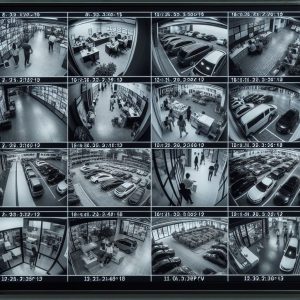
A professionally installed and monitored system that includes intrusion detection, CCTV cameras, and potentially fire and flood detection. These comprehensive systems qualify for the highest premium discounts, typically 10 to 20 percent. Some insurers also require specific standards compliance, such as installation by a member of the New Zealand Security Association (NZSA).
- AMI Insurance — Offers premium discounts for homes with approved alarm systems. The discount level depends on the type of alarm and whether it is monitored.
- State Insurance — Recognises monitored alarm systems with discounts that increase based on the comprehensiveness of the security installation.
- AA Insurance — Provides security system discounts and specifically asks about alarm type (monitored vs unmonitored) during the quoting process.
- Tower Insurance — Offers discounts for homes with approved security systems and may require evidence of monitoring contracts.
- Vero/FMG — Particularly relevant for rural properties, FMG offers security discounts that reflect the higher burglary risk in isolated locations.
A 15 percent discount on a NZ$2,500 annual home insurance premium saves $375 per year. Over ten years, that is $3,750 in savings, enough to cover the cost of a professionally installed and monitored alarm system.
What Qualifies for the Maximum Discount
To maximise your insurance premium reduction, your security system should meet several criteria that insurers look for:
Professional installation. Systems installed by licensed security companies carry more weight with insurers than self-installed equipment. Professional installation ensures correct sensor placement, proper system configuration, and compliance with relevant standards. Trusted providers like Garrison Alarms install systems that meet insurer requirements and can provide the documentation needed to claim your discount.
24/7 professional monitoring. This is the single biggest factor in determining your discount level. An alarm that is monitored around the clock by a Grade A monitoring centre demonstrates a significantly higher level of protection than a standalone siren. The monitoring company should be able to provide a monitoring certificate that you can submit to your insurer.
Compliance with NZS 4510. New Zealand Standard 4510 covers the design and installation of intruder alarm systems. Systems installed to this standard meet defined requirements for sensor coverage, signal transmission, and system resilience. Insurers increasingly reference this standard when evaluating alarm system quality.
Regular maintenance. Some insurers require evidence that your alarm system is regularly maintained and tested. Annual service visits by your security company ensure the system remains functional and demonstrate ongoing commitment to security.
Back-to-base communication. The method by which your alarm communicates with the monitoring centre matters. Dual-path communication, using both cellular and IP connections, is considered more reliable than single-path systems and may qualify for higher discounts.
How to Claim Your Discount
Claiming your security system discount is typically straightforward, but requires proactive communication with your insurer:
- Inform your insurer — Contact your insurance company or broker and advise them that you have a security system installed. Provide details of the system type, monitoring status, and installer.
- Provide documentation — Your security company can provide an installation certificate and monitoring contract confirmation. Some insurers accept a letter from the monitoring company confirming active monitoring status.
- Update annually — Ensure your insurer has current information about your security system at each policy renewal. If you upgrade from an unmonitored to a monitored system, advise your insurer immediately to trigger the higher discount.
- Keep your system active — If you cancel your monitoring contract, inform your insurer. Claiming a discount for monitoring you no longer have could affect a future claim.
The Hidden Insurance Benefit: Claim Outcomes
Beyond premium discounts, having a security system can positively affect claim outcomes in ways that are less obvious but equally valuable:
Evidence capture. CCTV footage from your security cameras provides evidence that supports insurance claims. It can verify the time and circumstances of an incident, identify perpetrators, and demonstrate that your account of events is accurate. Claims supported by video evidence are typically processed faster and with fewer disputes.
Reduced claim frequency. The primary purpose of a security system is deterrence and detection, both of which reduce the likelihood of a successful burglary. Fewer claims means a better claims history, which can influence your premiums at renewal time.
Faster police response. Monitored alarms that are verified by the monitoring centre, either through audio confirmation or CCTV verification, receive a higher priority police response than unverified alarms. This increases the likelihood of apprehension and property recovery.
Compliance demonstration. In the event of a claim, an active, maintained security system demonstrates that you took reasonable steps to protect your property. This can be important if there is any question about policy compliance or duty of care.
Smart Home Devices and Insurance: The Emerging Picture
As smart home security devices become more prevalent, NZ insurers are gradually updating their policies to address them. Currently, the picture is mixed:
- Professionally monitored smart alarm systems (like Ajax with monitoring) generally qualify for the same discounts as traditional monitored alarms.
- Self-monitored smart cameras and doorbells (Ring, Arlo, Eufy) are not consistently recognised for premium discounts, though they may be considered favourably during claim assessments.
- Smart smoke detectors and water leak sensors are gaining recognition from some insurers, particularly for fire and flood coverage discounts.
- Smart locks are not yet widely recognised for insurance purposes, though this may change as the technology becomes more established.
Making the Financial Case
When evaluating the cost of a security system, factor in the insurance savings alongside the security benefits. A professionally installed and monitored system that costs NZ$3,000 upfront plus NZ$55 per month in monitoring fees might seem expensive in isolation. But when you subtract insurance premium savings of NZ$300 to NZ$500 per year, the effective annual cost drops significantly.
Over a ten-year period in the same home, the insurance savings alone can recover a substantial portion, sometimes all, of the security system’s total cost. And that calculation does not even account for the intangible value of peace of mind, faster emergency response, and the very real possibility that the system prevents a burglary that would have cost far more than the system itself.
If you already have a security system installed and are not receiving an insurance discount, contact your insurer today. You may be leaving hundreds of dollars on the table each year.